
The 3 Signs It’s Time to Stop Replacing Broken Glass — and Finally Replace the Entire Window or Sliding Glass Door
When Your Windows Are Telling You It’s Time for More Than Just a Quick Fix
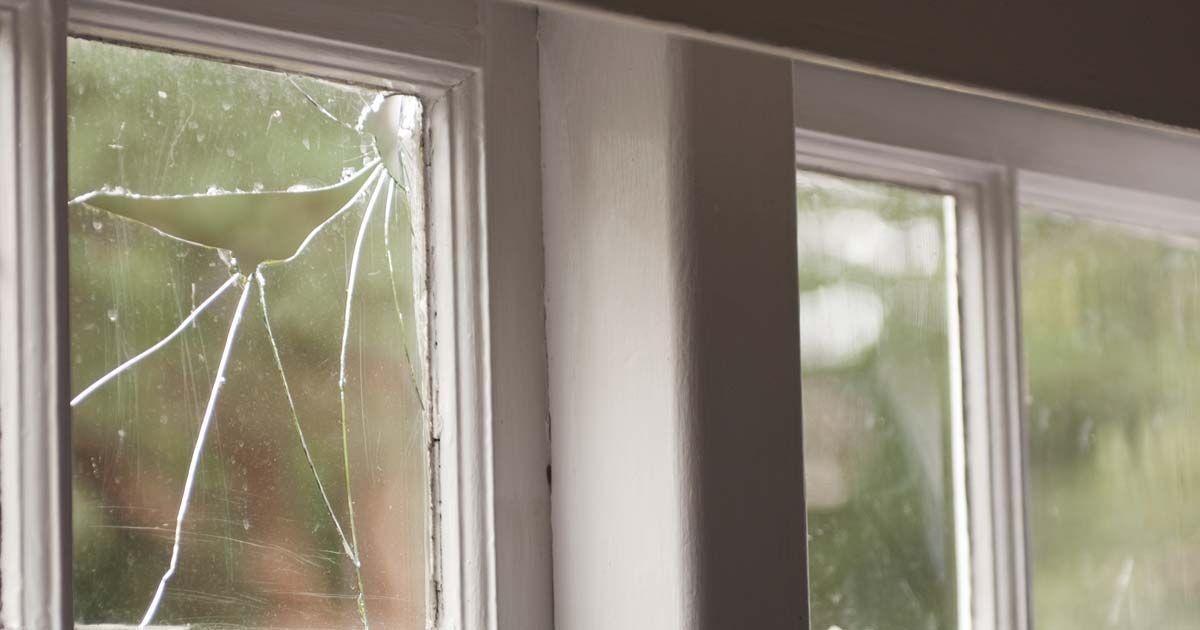
There comes a moment in every homeowner’s journey when the uncomfortable truth shows up — sometimes in the form of foggy panes, stubborn rollers, or that glass panel you’ve already replaced twice. And yet, many homeowners still try to squeeze one more repair out of a window or sliding glass door that has already lived its full life… and then some.
In my years as a Certified Building Contractor in Florida, there’s one thing I’ve said more times than I can count:
👉 “Glass replacement is a band-aid. Sometimes you need surgery.”
Today, we’re going to talk honestly about the 3 unmistakable signs that it’s no longer wise — financially, structurally, or logically — to keep replacing the glass in an old window or sliding glass door. This article is written to help you protect your home, your wallet, and your peace of mind.
This one’s going to be real, informative, and a little eye-opening. Let’s get into it. 🏡✨
🌬️ Why Homeowners Keep Choosing Glass Replacement (Even When They Shouldn’t)
Before we dive into the signs, let me highlight something important:
Most homeowners don’t keep replacing glass because they want to.
They do it because they
don’t know the real cause of the problem.
A cracked IGU (insulated glass unit) seems simple to fix.
A foggy pane feels like a quick swap.
A shattered door panel looks like an isolated issue.
But here’s the truth:
⚠️
Glass rarely “just breaks.”
⚠️
Fogging is never a one-time event.
⚠️
Old sliding doors don’t fail from coincidence — they fail from age and structural fatigue.
Replacing the glass might feel like the cheaper or simpler option… until you end up doing it again.
And again.
And again.
So let’s get into the 3 signs that it’s time to stop patching problems and start solving them.
1️⃣ Sign #1 — The Frame Is Deteriorating, Corroded, or Structurally Compromised
Let’s start with the biggest red flag:
👉 If the window or sliding glass door frame is deteriorating, the glass will continue to fail — no matter how many times you replace it.
This is especially true with older aluminum-framed windows and sliding glass doors in Florida. Over the years, aluminum corrodes. It weakens. It loses structural stability. And the sealant that bonds the insulated glass unit (IGU) to the frame begins to break down.
When that happens:
- The frame “breathes” excessively during hot–cold cycles
- Expansion and contraction strain the glass
- Corners crack or stress fracture
- Fogging begins around the perimeter
- The sealant separates
- Argon gas leaks out
- Moisture infiltrates
And here’s the reality:
⚠️ Replacing the glass won’t fix a failing frame.
It only buys temporary time before the same problem returns.
Real-World Example
If your sliding glass door is older than some of your grandchildren — and aluminum pitting, chalking, or warping is visible — the frame is already near or past its life expectancy.
Installing new glass into a failing frame is like putting a new roof on a house with rotten trusses.
Sure, it looks better… but the structure underneath can’t support it.
When This Means Full Replacement
Consider full replacement if you see:
- Corroded frames
- Soft or warped framing
- Sealant separating from the frame
- Water collecting at the edges
- Multiple glass failures over the years
- Fogging in more than one spot
If the frame is compromised, replacing the glass is just delaying the inevitable.
2️⃣ Sign #2 — You’ve Replaced the Glass Before… and It’s Happening Again
Here’s a rule every homeowner should know:
👉 If the glass has been replaced once and fails again, the glass was never the true problem.
Something deeper is causing the recurring trouble.
Glass doesn’t repeatedly fail unless another component in the system is deteriorating:
- The frame
- The rollers
- The interlocks
- The weatherstripping
- The sealant
- The sash balance system (for windows)
- The track
Broken Glass Is a Symptom — Not the Cause
Homeowners often believe:
“It must have been a bad glass panel.”
“Something probably hit it.”
“It was just a freak accident.”
But repeated failures are almost always structural.
Common causes of repeated failure:
- A warped or twisted frame
- A house that has settled over time
- Rollers applying uneven pressure
- A failing IGU seal due to frame flexing
- Temperature expansion causing stress cracks
- Inadequate past repairs
When This Means Full Replacement
If any of the following apply:
✔️ More than one panel has failed
✔️ Fogging returned after replacement
✔️ Cracks continue forming
✔️ Adjacent panels show the same symptoms
✔️ You’ve replaced glass multiple times
…it’s time to stop patching the symptom.
Because the root cause — structural instability — isn’t going away.
3️⃣ Sign #3 — The Sliding Glass Door or Window No Longer Operates Smoothly
Homeowners often assume a sticky or stubborn sliding glass door needs:
- New rollers
- A quick cleaning
- Some WD-40
- A minor adjustment
And sometimes that’s true.
But more often?
👉 Difficulty opening or closing is the earliest warning sign of structural failure.
When a frame begins to sag, twist, or shift:
- The panel scrapes
- Stress loads shift
- The glass becomes a tension point
- Rollers bind or collapse
- Heat expansion makes everything worse
- Cracks or seal failures begin
Operation problems aren’t just an inconvenience — they’re a structural diagnosis.
Operation Problems Predict Future Glass Failure
If a door or window has to be:
- Pulled
- Lifted
- Forced
- Jiggled
- Slammed
- “Guided”
…to get it open or closed, then the frame is no longer maintaining its structural integrity.
When This Means Full Replacement
Replace the entire unit if:
- The door drags or jumps
- You feel scraping or grinding
- The rollers keep failing
- The panel won’t sit square
- There’s play or looseness in the frame
- Heat causes binding
- Gaps open during movement
When operation fails, glass failure is not far behind.
🌟 When Is Glass Replacement Actually the Right Choice?
Glass replacement can still be the right solution when:
- The frame is structurally solid
- The failure is isolated
- The door/window is less than 10–12 years old
- There is no corrosion present
- No repeated issues have occurred
In those cases, an IGU replacement may buy you several more years of performance.
But when you see:
⚠️ Corrosion
⚠️ Repeated fogging
⚠️ Multiple cracked panels
⚠️ Difficult operation
⚠️ Warped frames
⚠️ Seal failures
⚠️ Water intrusion
…it’s time to stop repairing the symptom and replace the failing system.
💰 The Financial Reality — Replacement Saves Money Long-Term
Homeowners often think glass replacement is the “cheaper” option.
But after two or three replacements?
You’d be shocked how quickly those costs exceed the price of a brand-new sliding glass door or window.
Typical Costs Add Up Quickly:
- $300–$900 per insulated glass unit
- $700–$1,500 for large tempered panels
- Labor fees
- Disposal fees
Do that two or three times, and you’ve accidentally bought the equivalent of a new, warrantied door — with none of the benefits.
Replacement Gives You:
✔️ Lifetime warranties
✔️ Stronger, modern frames
✔️ Florida-approved energy-efficient glass
✔️ Smoother operation
✔️ Better locking systems
✔️ Lower energy bills
✔️ Long-term reliability
Glass replacement buys time.
Full replacement buys peace of mind.
🛑 The Emotional Side — Why Homeowners Delay Replacement
Most homeowners delay replacing the unit because:
“I just want to fix this one thing.”
“I’m not ready for a full replacement yet.”
“It doesn’t seem that bad.”
“I’ll replace it later.”
But here’s the truth:
👉 Your windows and doors tell you when they’re done. You just have to listen.
If the same issue keeps returning, the home is showing you that the time has come.
🌴 Final Thoughts — Know When to Stop Fixing and Start Solving
If your window or sliding glass door is showing any of these signs, you’re no longer dealing with a quick repair — you’re dealing with a system that has reached the end of its structural life.
When you see:
- Deteriorated or corroded frames
- Repeated failures or fogging
- Operational issues that won’t go away
…it’s time to consider replacement.
As a contractor, my goal is not to sell you something — it’s to prevent you from spending money twice.
When you’re ready for an honest assessment, I’m here to help with clarity, integrity, and expertise.
Wish To Share?